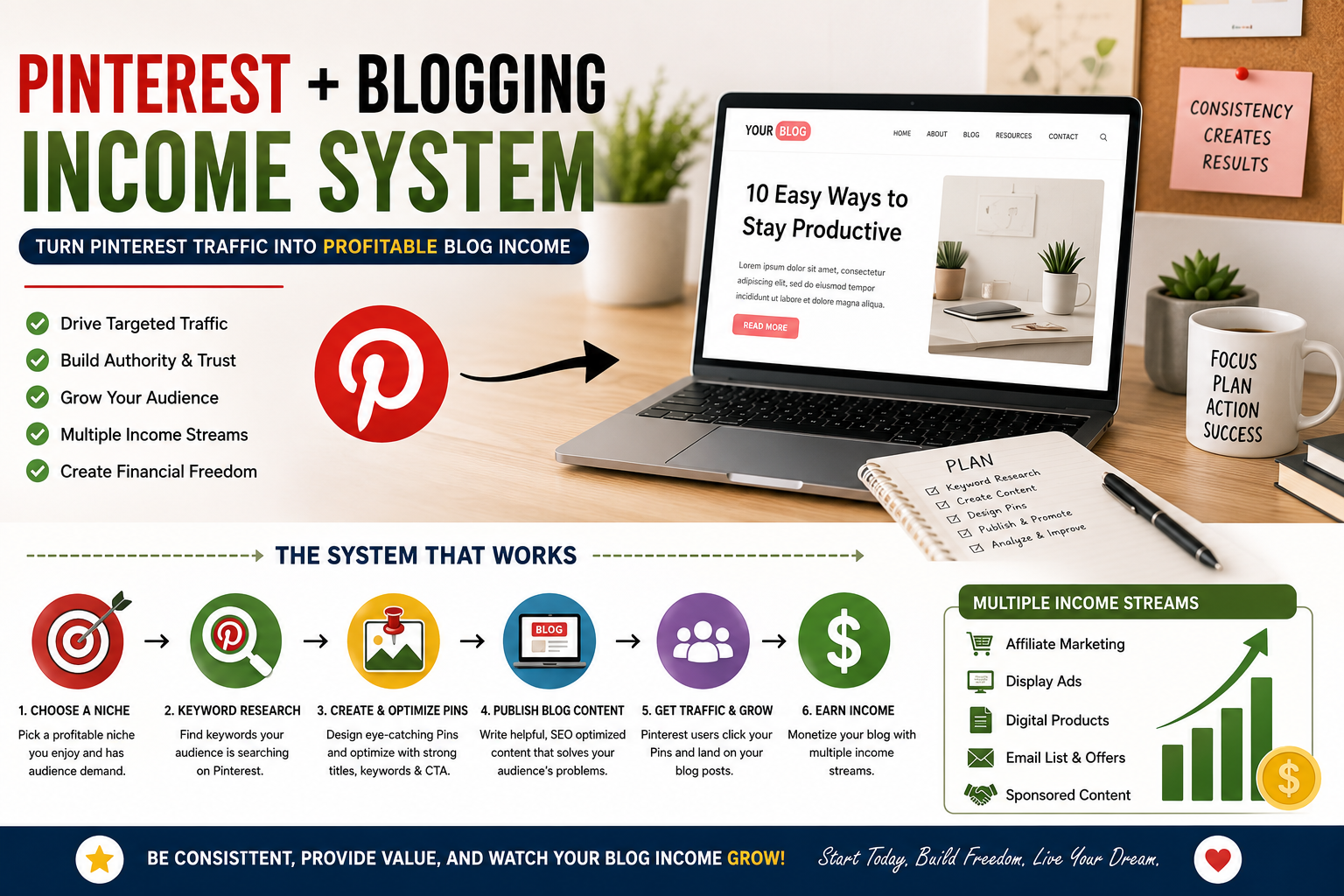
If you’re looking for a sustainable way to grow your blog, Pinterest deserves a place in your marketing strategy. Unlike many social platforms where content disappears within hours, Pinterest works as a visual search engine. Well-designed Pins can continue bringing visitors to your website for months or even years.
When you combine a quality blog with a consistent Pinterest strategy, you create a system that can attract readers, build trust, and support multiple monetization methods over time.
In this guide, you’ll learn how the Pinterest + Blogging Income System works and how you can begin building a reliable source of organic traffic.
Why Pinterest Is Different
Pinterest is more than a social media platform. Millions of users search for ideas, tutorials, buying guides, recipes, financial advice, productivity tips, home inspiration, and educational content every day.
Instead of relying only on search engines, Pinterest allows creators to reach people who are actively looking for helpful information.
Benefits include:
- Long-lasting content visibility
- Free organic traffic potential
- Highly targeted audiences
- Strong click-through rates
- Ideal for evergreen blog posts
Step 1: Choose a Profitable Blog Niche
Successful blogs usually focus on a clear topic instead of trying to cover everything.
Popular blogging niches include:
- Personal Finance
- Side Hustles
- Blogging Tips
- AI & Productivity
- Technology
- Health & Wellness
- Home Improvement
- Recipes
- Education
- Digital Marketing
Choose a niche that combines your interests with topics people consistently search for.
Step 2: Publish Helpful, High-Quality Content
Pinterest rewards valuable content because users stay engaged when they find useful information.
Instead of publishing short articles, focus on creating complete guides that answer common questions.
A quality blog post should include:
- Clear headings
- Practical examples
- Actionable advice
- Easy-to-read formatting
- Original graphics
- Updated information
The more helpful your content is, the more likely visitors are to save and share it.
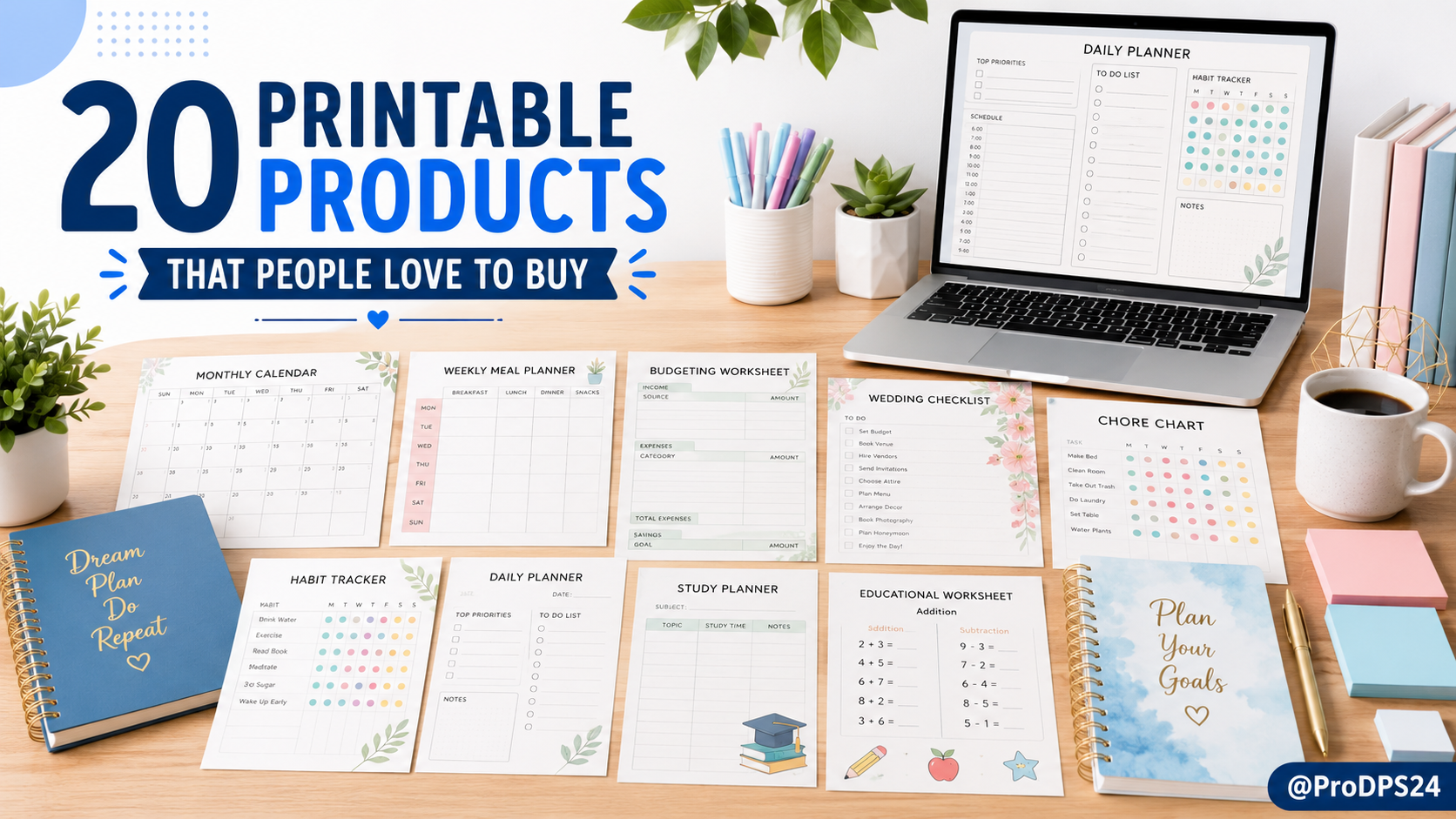
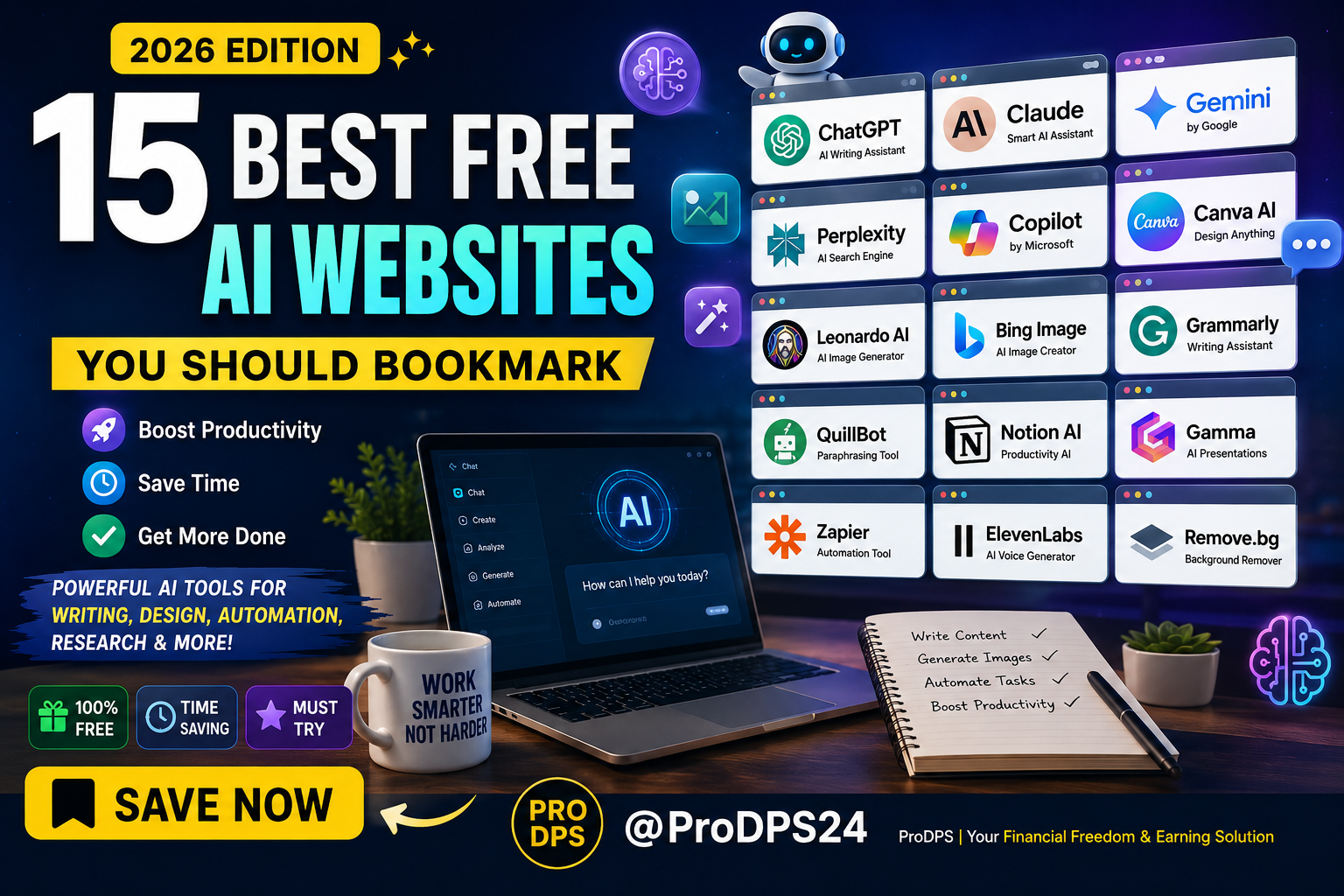
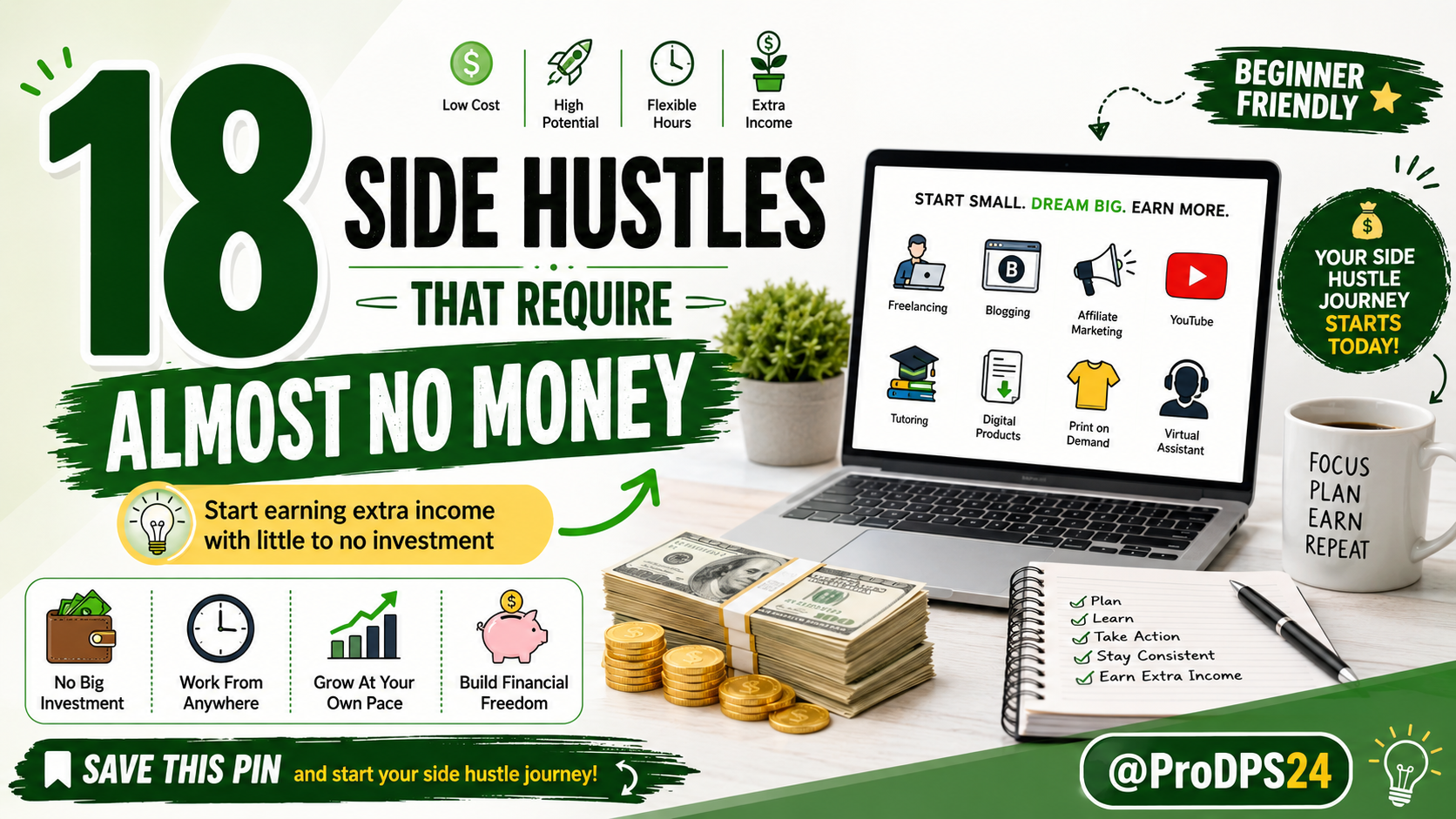
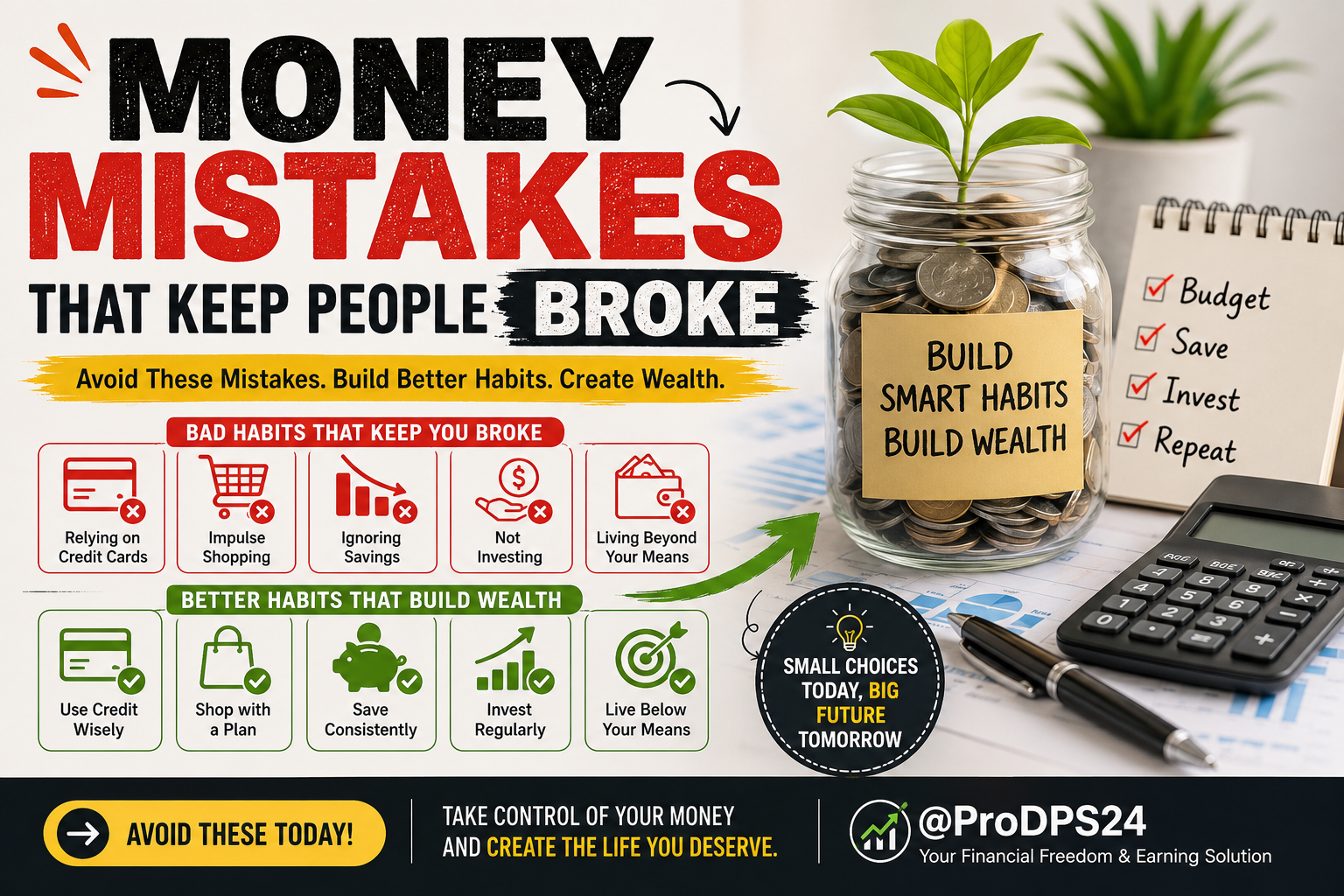
Step 3: Create Eye-Catching Pinterest Pins
Your Pin acts as the first impression of your article.
A strong Pin should include:
- Bold headline
- Clean layout
- Easy-to-read fonts
- High-quality graphics
- Consistent branding
- Clear call-to-action
Vertical Pins often perform best because they occupy more screen space in Pinterest feeds.
Step 4: Optimize for Pinterest SEO
Pinterest uses keywords to understand your content.
Include relevant keywords in your:
- Pin title
- Pin description
- Blog title
- Image file name
- Alt text
- Article headings
Keyword optimization helps Pinterest display your content to users searching for related topics.
Step 5: Drive Visitors to Your Blog
Every Pin should lead readers to a valuable page on your website.
Avoid sending traffic to pages with little content.
Instead, publish detailed articles that solve real problems and encourage readers to continue exploring your site.
The longer visitors stay on your website, the stronger your overall content strategy becomes.
Ways to Earn Income From Your Blog
Once your blog begins receiving consistent traffic, several monetization opportunities become available.
Affiliate Marketing
Recommend products or services you genuinely find useful and earn commissions when readers make purchases through your referral links.
Display Advertising
As your traffic grows, display advertising can become a source of passive income.
Digital Products
Sell resources such as:
- Templates
- Checklists
- Printables
- Guides
- Workbooks
- eBooks
Online Courses
Create educational content that teaches your audience valuable skills.
Sponsored Content
Businesses often collaborate with established blogs to promote products through sponsored articles.
Email Marketing
Build an email list to stay connected with readers and share valuable content, product updates, and exclusive resources.
Tips for Long-Term Pinterest Success
Growing with Pinterest requires consistency rather than overnight results.
Best practices include:
- Publish fresh content regularly
- Design multiple Pins for each article
- Use keyword-rich descriptions
- Maintain a consistent posting schedule
- Update older blog posts
- Track analytics and improve your strategy over time
Small improvements made consistently often produce the best long-term results.
Common Mistakes to Avoid
Many beginners make avoidable mistakes that slow their growth.
Try to avoid:
- Publishing thin or low-quality content
- Using misleading Pin titles
- Ignoring keyword research
- Posting inconsistent content
- Forgetting mobile-friendly design
- Neglecting image quality
Creating helpful, trustworthy content is always a better long-term strategy.
Final Thoughts
Pinterest and blogging complement each other exceptionally well. Pinterest helps people discover your content, while your blog provides the detailed information they came looking for.
By consistently publishing valuable articles, creating attractive Pins, and focusing on your audience’s needs, you can build a growing source of organic traffic that supports your blogging goals for years to come.
Success rarely happens overnight, but with patience, quality content, and a well-planned Pinterest strategy, your blog can become an important part of your online business.
If you’re ready to grow your blog, start creating helpful content today, design engaging Pinterest Pins, and continue improving your strategy one article at a time.