Cash Stuffing For Beginners: The Easy Budgeting Method That Helps You Save More Money
Managing money doesn’t have to be stressful. If you’ve ever wondered where your paycheck disappears every month, the cash stuffing system may be the budgeting solution you’ve been looking for.
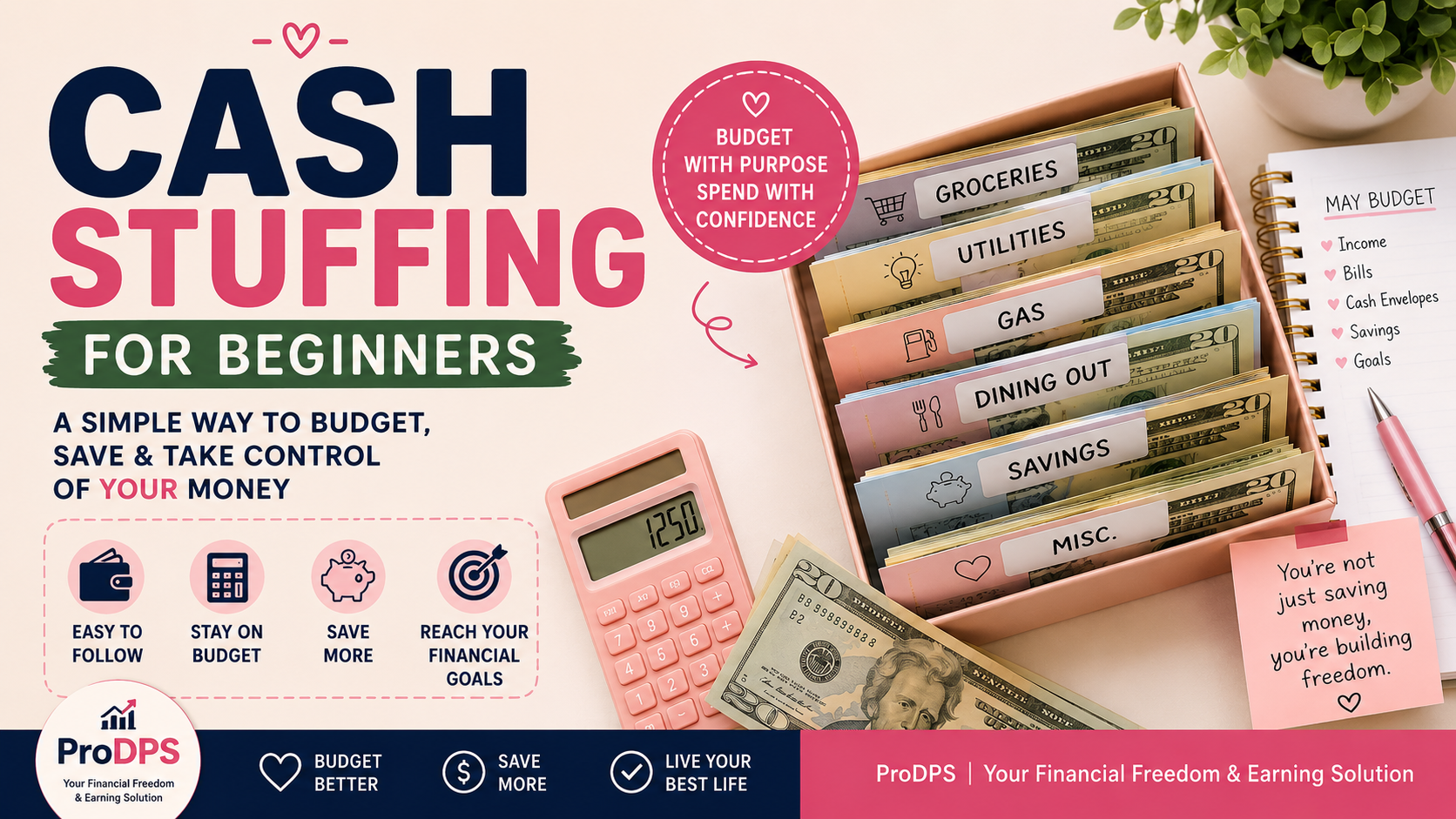
Cash stuffing is a simple budgeting technique where you divide your cash into labeled envelopes for different spending categories, such as groceries, transportation, entertainment, bills, savings, and dining out. Once an envelope is empty, you stop spending in that category until your next budgeting period.
This method has become increasingly popular because it encourages mindful spending, reduces impulse purchases, and helps people stay within their budget without relying on complicated financial apps.
What Is Cash Stuffing?
Cash stuffing is a budgeting strategy that uses physical cash instead of debit or credit cards for everyday expenses. You withdraw your planned spending money, place it into separate envelopes, and only spend what’s inside each envelope.
For example, your monthly budget might look like this:
- Groceries – $400
- Gas – $150
- Dining Out – $120
- Entertainment – $100
- Personal Care – $80
- Savings – $300
- Emergency Fund – $200
Each envelope represents one spending category. When the money runs out, spending for that category stops until the next budget cycle.
Why Cash Stuffing Works
One of the biggest advantages of cash stuffing is that it creates awareness of your spending habits. Seeing physical money leave your envelope makes you think twice before making unnecessary purchases.
Benefits include:
- Makes budgeting simple and visual.
- Helps prevent overspending.
- Encourages consistent saving.
- Reduces credit card debt.
- Builds better financial discipline.
- Helps achieve long-term financial goals.
- Great for beginners and families.
How To Start Cash Stuffing
Starting is easier than you might think.
Step 1: Calculate Your Monthly Income
Write down all sources of income after taxes.
Step 2: List Your Fixed Expenses
Include rent, mortgage, insurance, internet, phone bills, subscriptions, and utilities.
Step 3: Set Spending Categories
Create envelopes for expenses such as:
- Groceries
- Transportation
- Gas
- Dining Out
- Shopping
- Entertainment
- Personal Care
- Savings
- Emergency Fund
Step 4: Withdraw Cash
Take out the amount you’ve budgeted for each category.
Step 5: Fill Your Envelopes
Label each envelope and place the correct amount of cash inside.
Step 6: Spend Only What’s Available
Use money only from the matching envelope. Once it’s empty, avoid borrowing from other categories whenever possible.
Best Categories For Beginners
If you’re just getting started, keep it simple.
- Groceries
- Gas
- Dining Out
- Household Supplies
- Entertainment
- Shopping
- Savings
- Emergency Fund
As you become more comfortable, you can create additional categories that match your lifestyle.
Common Mistakes To Avoid
Many beginners make small mistakes that reduce the effectiveness of cash stuffing.
Avoid these common problems:
- Creating too many envelopes.
- Forgetting to budget for irregular expenses.
- Borrowing money from other envelopes.
- Not tracking spending.
- Setting unrealistic savings goals.
Cash Stuffing vs Digital Budgeting
Both methods can help you manage money successfully.
Cash stuffing is ideal if you struggle with impulse spending because handling physical cash creates stronger spending awareness.
Digital budgeting apps are convenient for tracking expenses automatically but may not provide the same psychological impact as using cash.
Many people combine both methods by using cash for daily spending and digital banking for bills and savings.
Tips To Save Even More
You can maximize your results by following a few simple habits.
- Review your budget every month.
- Increase your savings envelope whenever possible.
- Avoid unnecessary impulse purchases.
- Look for discounts before shopping.
- Set clear financial goals.
- Celebrate small budgeting milestones.
Is Cash Stuffing Right For You?
Cash stuffing is one of the easiest budgeting methods for beginners. Whether you’re trying to save for a vacation, pay off debt, build an emergency fund, or simply gain better control over your finances, this system provides a practical and effective solution.
The key is consistency. Small improvements each month can lead to significant financial progress over time.
Final Thoughts
Budgeting doesn’t need to be complicated. Cash stuffing gives you a simple framework to organize your money, spend intentionally, and reach your financial goals with confidence.
If you’re ready to improve your financial habits, start with just a few envelopes today. Over time, you’ll develop stronger budgeting skills and enjoy greater peace of mind knowing exactly where every dollar goes.
Follow ProDPS for more budgeting tips, personal finance guides, passive income ideas, and practical money-saving strategies designed to help you achieve financial freedom.