Money Management 101: A Complete Beginner’s Guide to Budgeting, Saving, and Financial Planning
Managing your money wisely is one of the most valuable life skills you can develop. Whether you’re earning your first paycheck, supporting a family, or simply trying to gain better control over your finances, understanding the basics of money management can help you reduce stress and build a more secure future.
The good news is that successful money management isn’t about earning a huge income. It’s about making smart financial decisions consistently over time. Small daily habits often create the biggest long-term results.
What Is Money Management?
Money management is the process of planning, budgeting, saving, spending, and investing your money responsibly. It helps you understand where your income goes and ensures your financial decisions align with your personal goals.
Good money management allows you to:
- Stay within your budget
- Build healthy savings
- Prepare for emergencies
- Avoid unnecessary debt
- Reach financial goals faster
- Feel more confident about your future
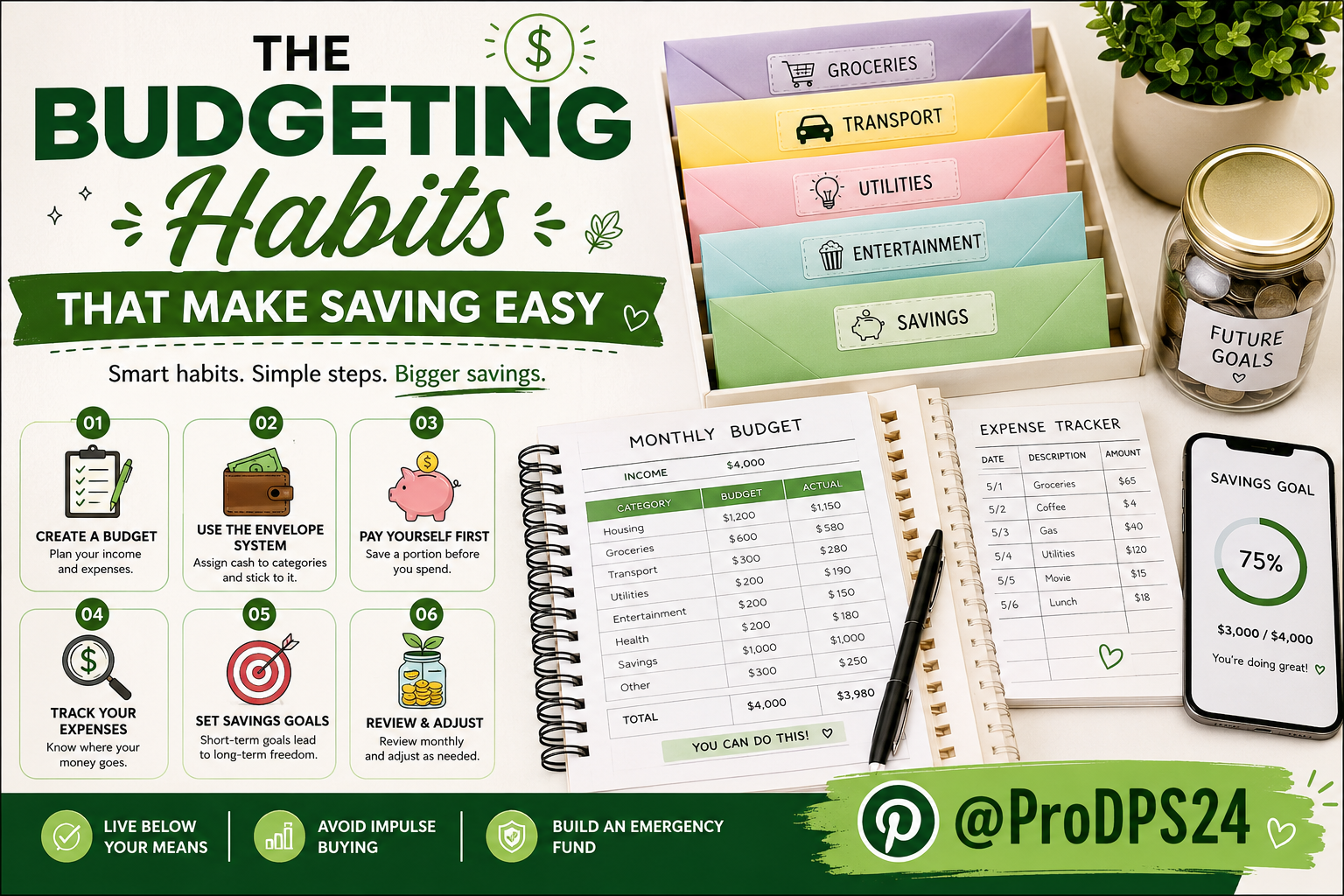
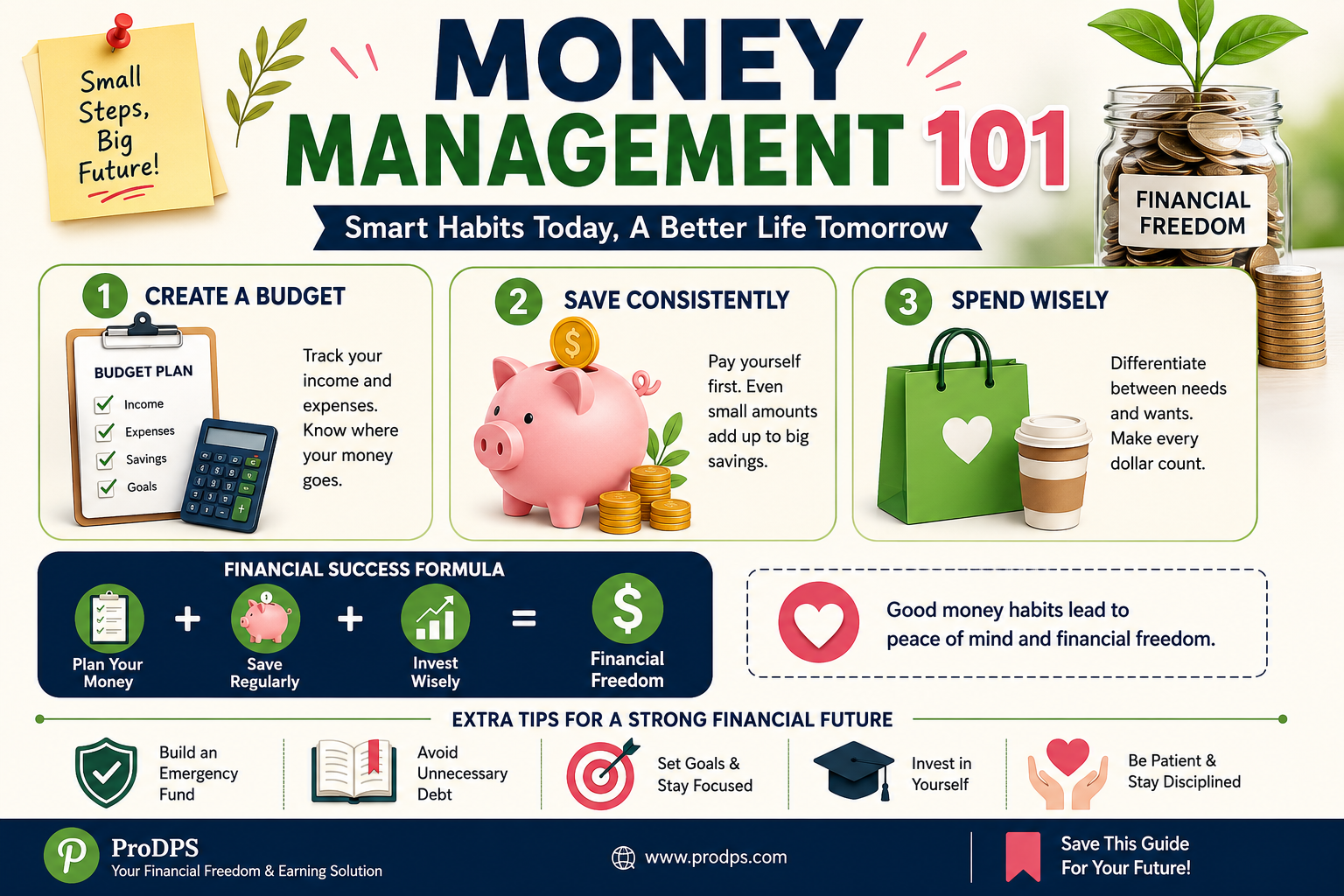
Step 1: Create a Monthly Budget
A budget gives every dollar a purpose before you spend it.
Start by calculating your monthly income. Then list all of your regular expenses, including housing, transportation, groceries, utilities, subscriptions, insurance, and entertainment.
Separate your expenses into two groups:
Essential Expenses
- Rent or mortgage
- Utilities
- Groceries
- Transportation
- Insurance
Non-Essential Expenses
- Dining out
- Shopping
- Streaming services
- Entertainment
- Luxury purchases
Tracking your spending each month helps you identify areas where you can save more money.
Step 2: Build the Habit of Saving
Saving money should become part of every paycheck.
Instead of waiting until the end of the month, pay yourself first. Even saving a small percentage consistently can grow into significant savings over time.
Helpful savings goals include:
- Emergency fund
- Vacation fund
- Education
- Home purchase
- Retirement
- Future investments
Consistency matters much more than the amount you start with.
Step 3: Spend With Purpose
Smart spending doesn’t mean never enjoying life. It simply means making intentional choices.
Before making a purchase, ask yourself:
- Do I actually need this?
- Will I still value it next month?
- Is there a more affordable alternative?
- Does this purchase fit within my budget?
These simple questions help reduce impulse spending and encourage better financial decisions.
Step 4: Build an Emergency Fund
Unexpected expenses happen to everyone.
Medical bills, car repairs, home maintenance, or temporary job loss can quickly become stressful without savings.
Creating an emergency fund provides financial stability and reduces the need to rely on credit cards or loans.
Even starting with a small emergency fund is an important first step.
Step 5: Set Clear Financial Goals
Having specific goals keeps you motivated.
Examples include:
- Saving for a new car
- Paying off debt
- Buying a home
- Starting a business
- Building investment savings
- Achieving financial independence
Break larger goals into smaller milestones so you can celebrate progress along the way.
Step 6: Avoid High-Interest Debt
Debt can slow your financial progress if it’s not managed carefully.
Whenever possible:
- Pay bills on time
- Avoid unnecessary borrowing
- Pay more than the minimum payment
- Reduce credit card balances
- Borrow only when necessary
Responsible debt management protects both your finances and your peace of mind.
Step 7: Continue Learning About Personal Finance
Financial education is an ongoing journey.
Reading books, following trusted finance resources, and learning about budgeting, investing, taxes, and saving strategies can help you make more informed decisions throughout your life.
Every new financial skill increases your confidence.
Simple Daily Money Habits
Healthy financial habits are built through consistency.
Consider practicing these habits:
- Review your budget weekly.
- Track every expense.
- Save automatically.
- Avoid impulse purchases.
- Compare prices before buying.
- Set monthly savings goals.
- Review subscriptions regularly.
- Invest in your knowledge.
Final Thoughts
Money management isn’t about perfection—it’s about progress. Every positive financial decision, no matter how small, moves you closer to greater stability and freedom.
By creating a realistic budget, saving consistently, spending wisely, and planning for the future, you can build a strong financial foundation that supports your goals for years to come.
Start today with one simple step. Small improvements made consistently can lead to remarkable financial results over time.