Saving money is one of those goals that almost everyone has, yet many people find difficult to maintain. It’s easy to promise yourself that you’ll start saving “next month” or after your next paycheck. Unfortunately, those good intentions often disappear when unexpected expenses, impulse purchases, or daily bills get in the way.
The good news is that building savings doesn’t require a huge salary or complicated financial strategies. In many cases, success comes from creating one simple habit and repeating it consistently.
That’s exactly why the 52-Week Savings Challenge has become popular among people who want a straightforward way to save. Instead of setting an intimidating target, this challenge encourages small, manageable deposits that gradually grow over time. The process feels achievable, which makes it easier to stay committed.
If you’ve ever struggled to save consistently, this guide is for you. Rather than simply explaining the rules of the challenge, we’ll explore why it works, how to adapt it to your lifestyle, ways to stay motivated, and practical tips to make saving a lasting habit.
Why Saving Money Matters
Saving isn’t just about accumulating cash. It’s about creating financial flexibility and reducing stress. Life is unpredictable, and having money set aside can make unexpected situations much easier to manage.
A healthy savings habit can help you:
- Prepare for emergency expenses.
- Reduce financial anxiety.
- Avoid relying on high-interest debt.
- Reach personal goals such as travel, education, or home improvements.
- Build confidence in your financial decisions.
Even small savings can make a meaningful difference over time.
Understanding the 52-Week Savings Challenge
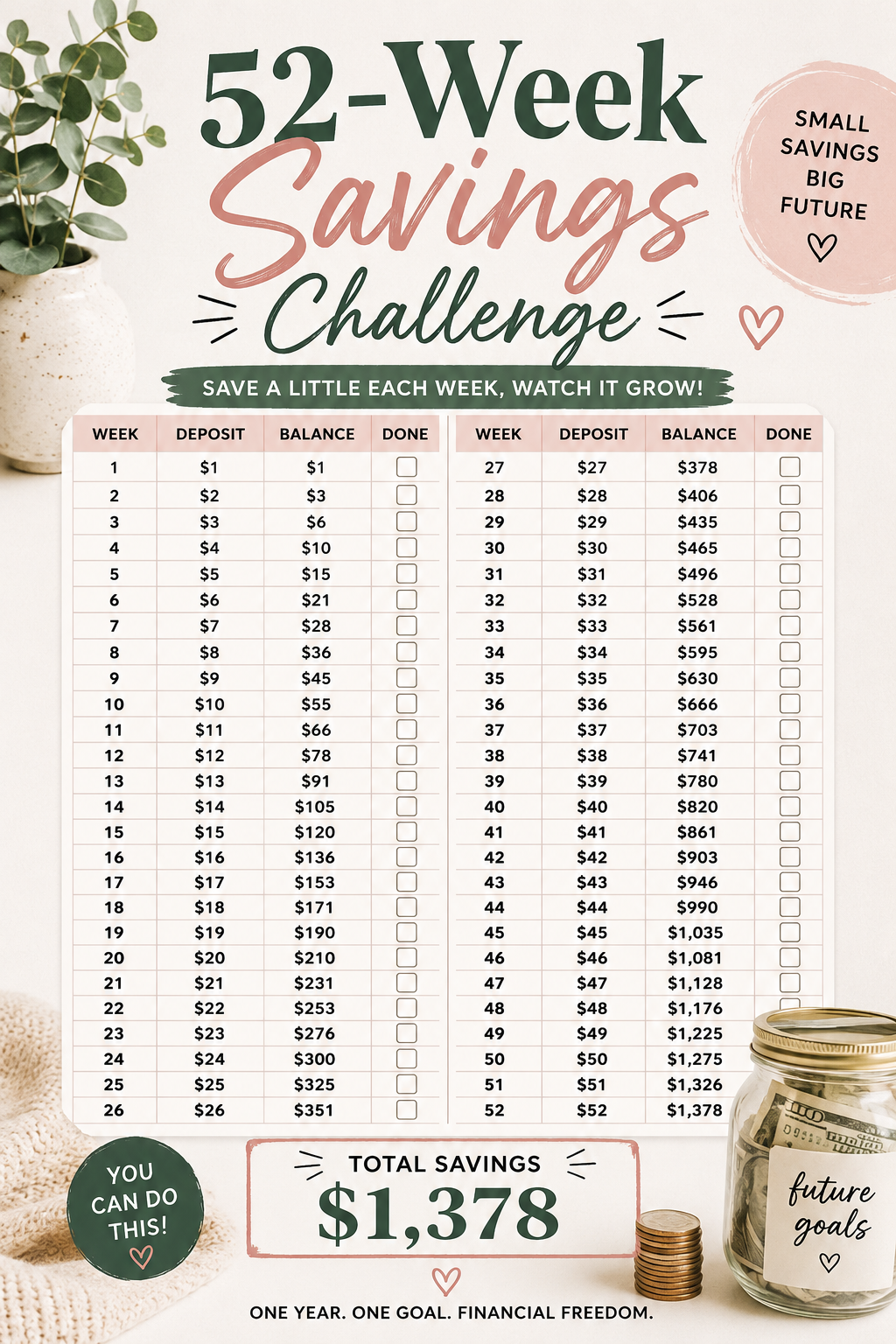
The idea behind the challenge is refreshingly simple. Each week, you set aside a slightly larger amount than the week before. By making saving part of your weekly routine, you gradually build both your savings balance and your financial discipline.
Many people appreciate this method because it focuses less on perfection and more on consistency. Instead of worrying about saving hundreds of dollars at once, you’re simply taking one small step every week.
The challenge is flexible, easy to customize, and suitable for almost any budget.
Why This Method Works
Financial success often depends more on habits than on income. The challenge works because it uses several proven behavioral principles.
It Makes Saving Feel Achievable
Large goals can feel overwhelming. Breaking them into small weekly steps makes progress feel realistic and manageable.
It Creates a Routine
When you save every week, it becomes part of your normal financial routine instead of an occasional decision.
Progress Is Easy to See
Watching your savings grow week after week creates a sense of accomplishment that encourages you to continue.
It Builds Confidence
Every completed week is proof that you can keep promises to yourself. That confidence often carries into other financial habits, such as budgeting or reducing unnecessary spending.
Is This Challenge Right for You?
One of the best features of this savings challenge is that it works for almost everyone.
It may be especially helpful if you are:
- Starting your first savings account.
- Working toward an emergency fund.
- Saving for a vacation.
- Planning a major purchase.
- Trying to reduce unnecessary spending.
- Looking for a simple financial goal that doesn’t feel overwhelming.
You don’t need advanced budgeting knowledge to get started. The only requirement is consistency.
How to Prepare Before You Start
Taking a few minutes to prepare can significantly improve your chances of completing the challenge.
Choose a Dedicated Savings Location
Keeping challenge money separate from your everyday spending account makes it less tempting to spend.
Decide on a Weekly Savings Day
Choose one specific day each week to make your deposit. Consistency helps build lasting habits.
Set a Clear Goal
Think beyond simply “saving money.” Ask yourself why you’re saving. Your reason will keep you motivated when enthusiasm fades.
For example:
- Emergency fund
- Holiday shopping
- New computer
- Education
- Family vacation
- Home improvement
- Starting a small business
Having a meaningful goal makes each weekly contribution feel worthwhile.
Building a Savings Habit That Lasts
Many people believe saving money is all about earning more. While income certainly matters, long-term financial success is often shaped by consistent habits rather than occasional large deposits.
The 52-Week Savings Challenge is effective because it encourages a routine. When you repeat the same positive action every week, it gradually becomes part of your lifestyle instead of feeling like a chore.
If you’re just starting, don’t worry about being perfect. Focus on showing up each week. Small, steady progress is far more valuable than making a big deposit once and then giving up.
Simple Ways to Stay Motivated Throughout the Year
Every savings journey has ups and downs. Some weeks will feel easy, while others may be more challenging. These practical strategies can help you stay on track.
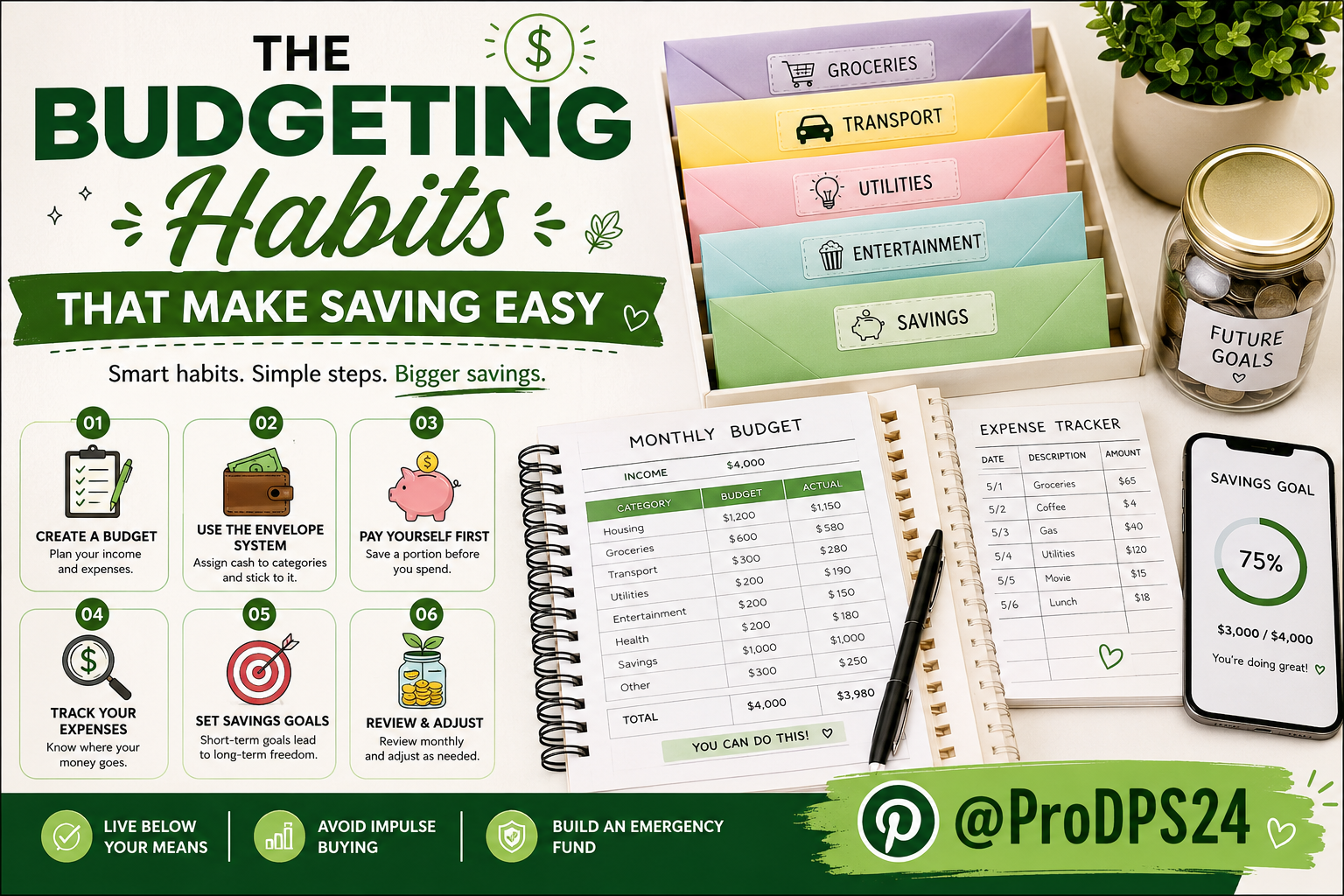
1. Track Every Deposit
Use a printable savings tracker, notebook, spreadsheet, or budgeting app to record each week’s progress.
Seeing your savings grow is motivating and reminds you how far you’ve come.
2. Celebrate Milestones
Instead of waiting until the end of the year, celebrate smaller achievements.
Examples include:
- Completing one month
- Reaching your first $100
- Saving half of your goal
- Completing three months without missing a week
Celebrating progress helps maintain momentum.
3. Reduce Small Unnecessary Expenses
Saving doesn’t always require earning more money.
You might save enough each week simply by:
- Making coffee at home
- Cooking one extra meal each week
- Canceling unused subscriptions
- Avoiding impulse purchases
- Shopping with a grocery list
Small lifestyle adjustments often create enough room in your budget to complete the challenge comfortably.
4. Automate Your Savings
If your bank allows automatic transfers, schedule a weekly transfer into your savings account.
Automation removes the need to remember each deposit and helps prevent skipped weeks.
Common Challenges and How to Overcome Them
“I Missed a Week.”
Don’t quit.
Simply continue the following week or add the missed amount when your finances allow.
Consistency matters much more than perfection.
“Unexpected Bills Came Up.”
Life happens.
If an emergency interrupts your savings plan, adjust your schedule and restart as soon as possible.
Remember, the purpose is to build healthy habits—not to create unnecessary stress.
“I’m Losing Motivation.”
Go back to the reason you started.
Look at your savings balance and remind yourself what you’re working toward.
Sometimes seeing your progress is all the encouragement you need.
Creative Ways to Customize the Challenge
The traditional version works well, but you can also personalize it to fit your financial situation.
Reverse Savings Challenge
Begin with the largest weekly deposit and gradually decrease the amount each week.
Many people prefer this approach because they usually have more financial flexibility at the beginning of the year.
Monthly Savings Version
If weekly deposits don’t fit your schedule, combine them into a single monthly contribution.
This approach keeps the challenge simple while matching your budgeting routine.
Family Savings Challenge
Invite your spouse, children, or roommates to participate.
Saving together creates accountability and makes the experience more enjoyable.
Double Savings Challenge
If your budget allows, double each weekly contribution.
This increases your savings significantly while following the same simple structure.
Mistakes That Can Slow Your Progress
Avoid these common habits if you want to complete the challenge successfully.
Spending From Your Savings
Treat your savings account as a destination, not a spending account.
Only use the money for the goal you originally planned.
Waiting for the “Perfect” Time
There is rarely a perfect time to begin saving.
Starting today—even with a small amount—is usually better than waiting for ideal circumstances.
Comparing Yourself to Others
Everyone has different financial responsibilities and income levels.
Focus on your own progress instead of comparing your savings to someone else’s.
Frequently Asked Questions
Can I Start the Challenge at Any Time?
Yes.
You don’t need to wait until January. You can begin this week and continue for the next 52 weeks.
What Happens If I Miss Several Weeks?
Simply resume the challenge as soon as you’re able.
You can either catch up gradually or extend the timeline if necessary.
Is This Challenge Suitable for Students?
Absolutely.
Many students use the challenge to build emergency savings and develop responsible money habits early in life.
Can Families Complete It Together?
Yes.
Many families enjoy turning the challenge into a shared financial goal.
Children also learn valuable lessons about saving and delayed gratification.
Should I Keep My Savings in Cash or a Bank Account?
Both options work.
A dedicated savings account offers better security, while cash envelopes may help some people stay more disciplined.
Choose the method that best fits your financial habits.
Final Thoughts
The 52-Week Savings Challenge isn’t about becoming wealthy overnight. Instead, it’s about building one of the most valuable financial skills you can develop: consistency.
Every successful saver starts somewhere. By setting aside a little money on a regular schedule, you’re creating habits that can benefit you for years to come. The amount you save is important, but the routine you build is even more valuable.
Remember that progress isn’t measured by perfection. If you miss a week or face unexpected expenses, don’t view it as failure. Simply continue your journey. Over time, those small weekly decisions can lead to meaningful financial confidence and greater peace of mind.
Whether your goal is preparing for emergencies, funding a dream vacation, paying for education, or simply becoming more intentional with your money, the 52-Week Savings Challenge offers a practical place to begin.
Start today, stay consistent, and let each small step bring you closer to your financial goals.
Key Takeaways
- Saving small amounts consistently is more sustainable than trying to save large amounts all at once.
- The 52-Week Savings Challenge helps create a long-term saving habit.
- Tracking your progress improves motivation.
- Automation can make saving easier.
- Missing a week doesn’t mean you’ve failed.
- Personalize the challenge to fit your budget and goals.
- Consistency is the foundation of financial success.
Conclusion
Financial freedom doesn’t usually come from one big decision—it comes from hundreds of small, smart choices made over time. The 52-Week Savings Challenge is a simple reminder that meaningful progress begins with a single step.
No matter where you are in your financial journey, you have the ability to build better habits starting today. Stay patient, remain consistent, and celebrate every milestone along the way.
Your future self will thank you for starting now.