Track Your Savings Goals: Build Better Financial Habits One Step at a Time
Saving money isn’t just about putting cash aside—it’s about creating a clear plan and staying committed to your financial future. Whether you’re building an emergency fund, planning a dream vacation, saving for a new car, or preparing to buy your first home, tracking your savings goals can make a significant difference.
Many people start saving with enthusiasm but lose motivation because they don’t measure their progress. A simple savings tracker helps you stay focused, celebrate small milestones, and continue moving toward your financial goals.
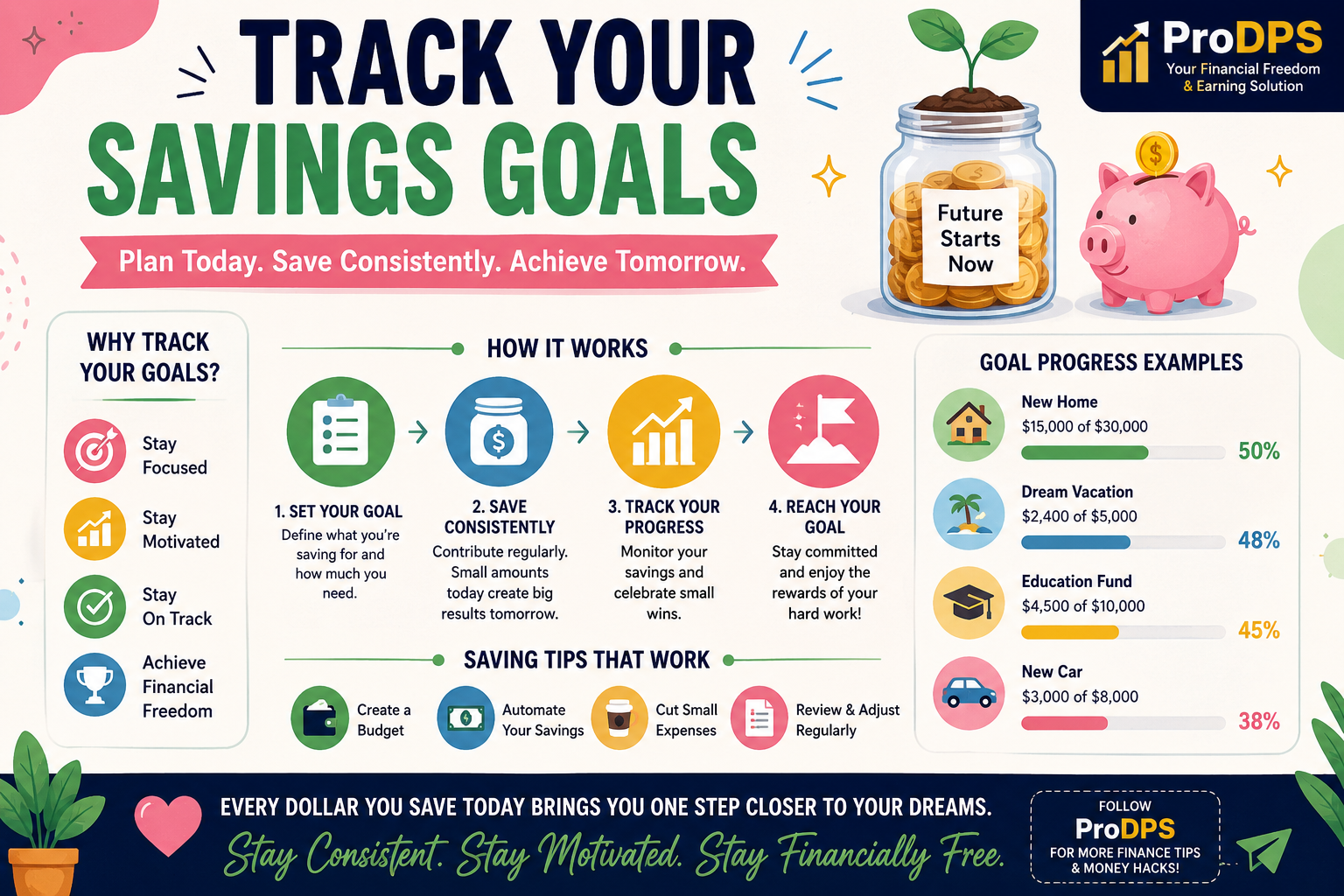
Why Tracking Your Savings Goals Matters
When you monitor your savings regularly, you gain a better understanding of your financial habits.
Benefits include:
- Staying motivated throughout your savings journey
- Creating realistic financial goals
- Reducing unnecessary spending
- Building confidence with money management
- Developing long-term financial discipline
- Seeing measurable progress over time
Tracking your progress transforms saving money from a difficult task into an enjoyable challenge.
How to Start Tracking Your Savings
1. Set a Clear Financial Goal
Choose exactly what you’re saving for.
Examples include:
- Emergency Fund
- New Home
- Dream Vacation
- Education
- New Car
- Business Investment
- Retirement
Having a specific goal gives every dollar a purpose.
2. Decide How Much You Need
Write down your target amount.
For example:
Goal: Emergency Fund
Target Savings: $5,000
Current Savings: $800
Remaining Amount: $4,200
Knowing the exact number makes planning much easier.
3. Create a Monthly Savings Plan
Determine how much you can realistically save each month.
Example:
- Monthly Income: $3,500
- Monthly Savings Goal: $400
Automatic transfers to a savings account make this process even easier.
4. Record Every Deposit
Every time you save money, update your tracker.
You can use:
- Printable savings trackers
- Budget planners
- Spreadsheet templates
- Finance apps
- Bullet journals
- Simple notebooks
Consistency matters more than the tracking method you choose.
Savings Goals You Can Set
Everyone’s financial priorities are different. Here are some popular savings goals:
Emergency Fund
Prepare for unexpected expenses without relying on debt.
Vacation Fund
Travel without worrying about credit card bills afterward.
Home Down Payment
Build toward owning your dream home.
Car Purchase
Save gradually instead of taking on unnecessary loans.
Education
Invest in your future through learning and skill development.
Retirement
Small contributions today can grow into meaningful savings over time.
Easy Ways to Save More Money
Improving your savings doesn’t always require earning more.
Try these practical ideas:
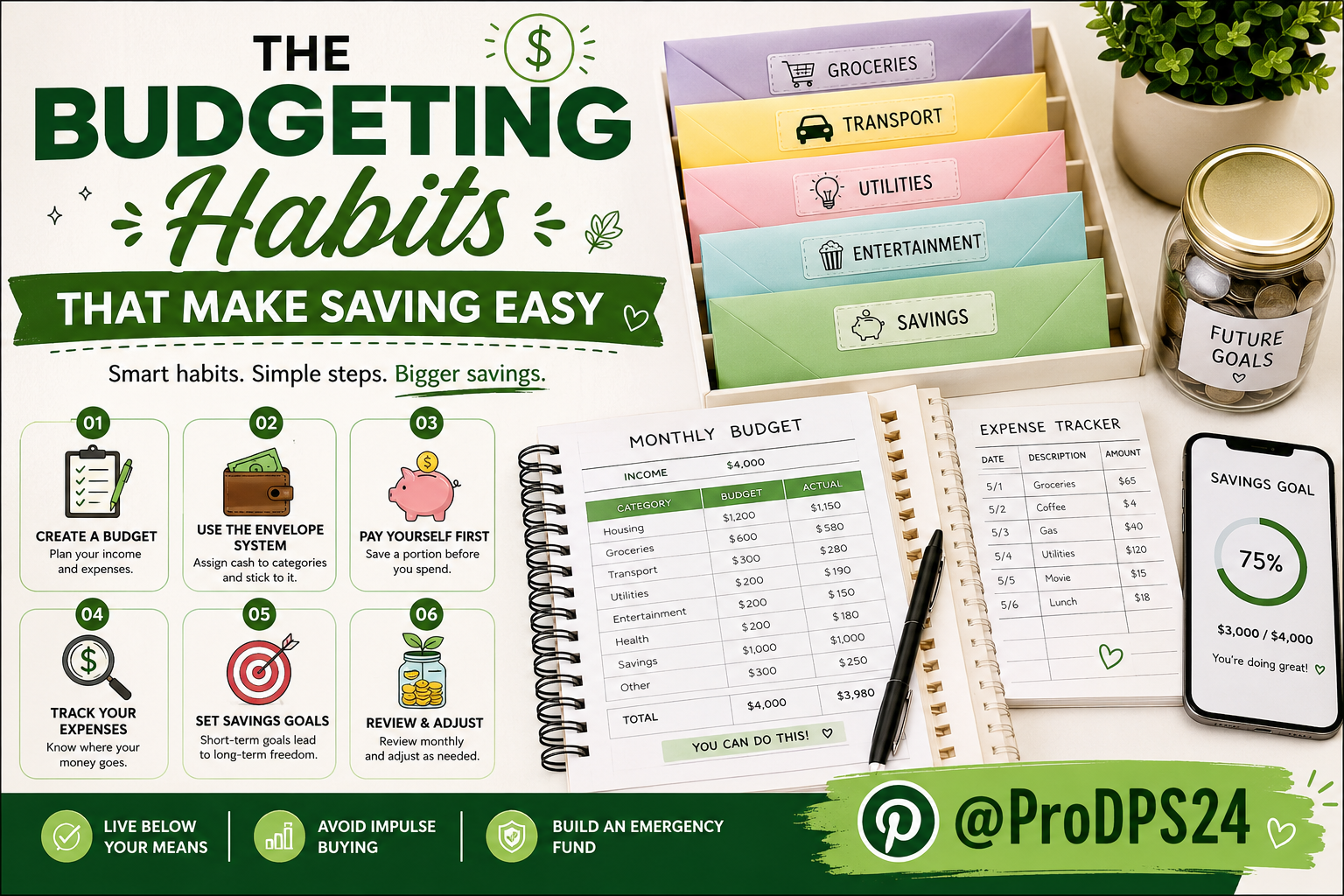
- Create a monthly budget
- Cancel unused subscriptions
- Cook more meals at home
- Avoid impulse purchases
- Shop with a grocery list
- Use cashback and discount offers
- Save unexpected income like bonuses or tax refunds
- Set up automatic savings transfers
Small changes often produce impressive long-term results.
Stay Motivated While Saving
Long-term goals can feel overwhelming without motivation.
Keep yourself inspired by:
- Celebrating every milestone
- Using a visual savings tracker
- Reviewing your progress weekly
- Setting mini-goals
- Rewarding yourself responsibly after reaching milestones
Watching your progress grow can become one of the most satisfying parts of your financial journey.
Common Savings Mistakes to Avoid
Many people unknowingly slow their financial progress.
Avoid these mistakes:
- Saving without a specific goal
- Ignoring your monthly budget
- Frequently dipping into savings
- Setting unrealistic targets
- Not reviewing your progress regularly
Building wealth is about consistency rather than perfection.
Create Your Own Savings Tracker
Your savings tracker doesn’t need to be complicated.
Include these sections:
- Goal Name
- Target Amount
- Current Savings
- Monthly Contributions
- Remaining Balance
- Progress Percentage
- Target Completion Date
Review it at least once each month to stay on track.
Final Thoughts
Tracking your savings goals is one of the simplest yet most effective financial habits you can develop. It provides motivation, accountability, and a clear picture of your financial progress.
No matter where you are today, every small deposit brings you one step closer to your dreams. Start with a realistic goal, stay consistent, and remember that financial success is built through steady progress over time.
Your future self will thank you for the smart financial decisions you make today.
Frequently Asked Questions (FAQ)
How often should I update my savings tracker?
Updating it weekly or after every deposit helps you stay motivated and aware of your progress.
What’s the best way to start saving money?
Begin with a realistic monthly savings goal, automate your deposits, and track your progress consistently.
Can a savings tracker really help?
Yes. Visual progress encourages consistency, improves financial discipline, and makes long-term goals feel more achievable.