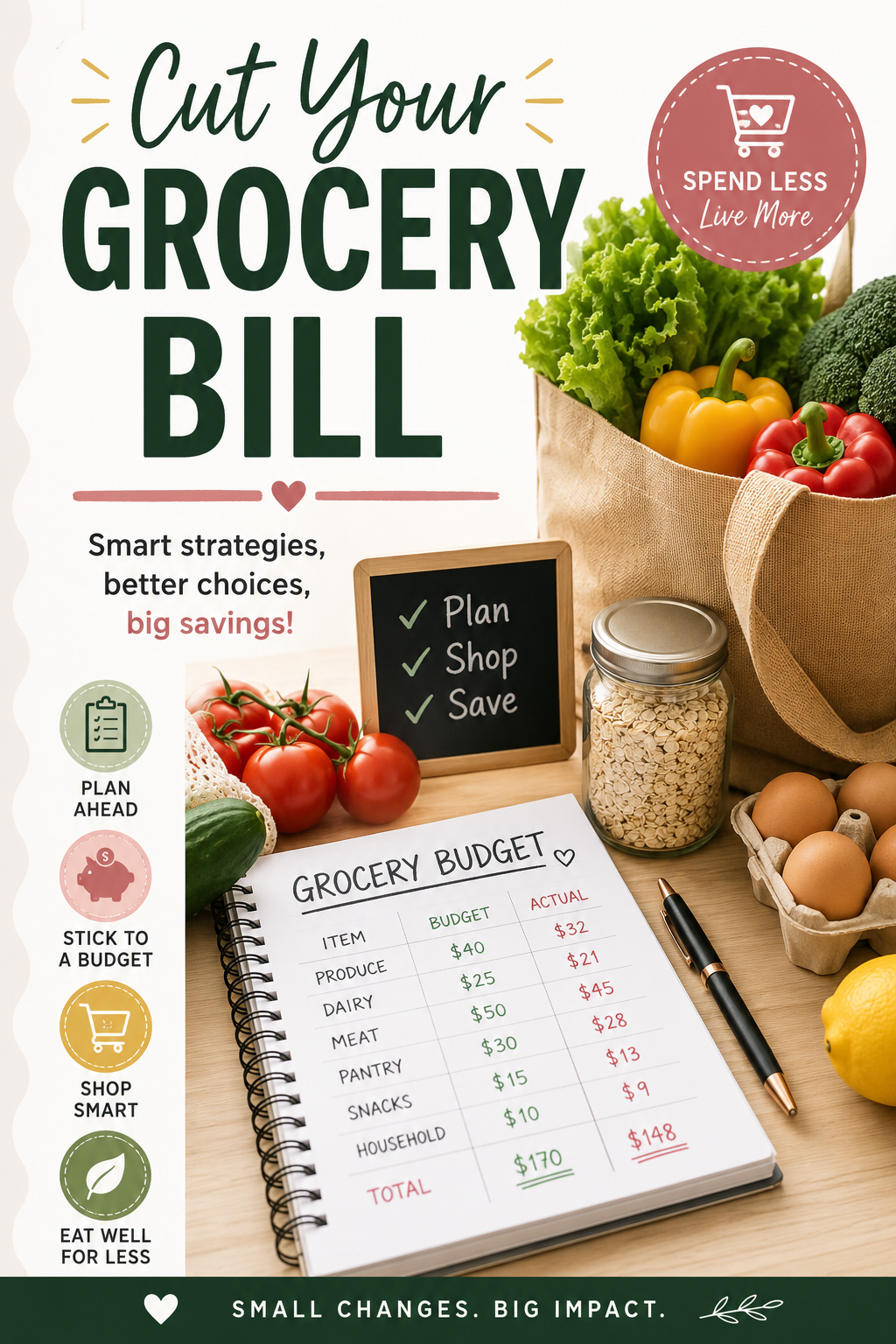
Food prices seem to increase every year, making grocery shopping one of the biggest monthly expenses for many households. The good news is that you don’t have to stop buying healthy food or sacrifice your favorite meals to stay within your budget.
With a few simple strategies, you can significantly reduce your grocery expenses while still enjoying fresh, nutritious, and satisfying meals. Small changes in your shopping habits often lead to hundreds—or even thousands—of dollars in savings over the course of a year.
This guide shares practical grocery budgeting tips that anyone can use, whether you’re shopping for yourself or feeding a large family.
Why Grocery Budgeting Matters
A grocery budget gives you control over your spending and helps eliminate unnecessary purchases. Instead of wondering where your money went at the end of the month, you’ll know exactly how much you’re spending and where you can improve.
Benefits include:
- Lower monthly expenses
- Less food waste
- Healthier meal planning
- Reduced financial stress
- More money available for savings and other goals
Even saving $25 per week adds up to more than $1,300 each year.
1. Plan Your Meals Before Shopping
Meal planning is one of the easiest ways to reduce grocery costs.
Before heading to the store:
- Plan breakfast, lunch, dinner, and snacks.
- Check what ingredients you already have.
- Build meals around those ingredients.
- Write a shopping list based on your plan.
Planning ahead reduces impulse purchases and helps ensure that every item you buy has a purpose.
2. Never Shop Without a Grocery List
A shopping list acts as your spending guide.
Organize your list into categories such as:
- Produce
- Dairy
- Meat
- Frozen foods
- Pantry staples
- Household essentials
Following a list makes shopping faster and helps you avoid buying unnecessary items.
3. Set a Weekly Grocery Budget
Instead of spending freely each shopping trip, decide how much you can comfortably spend.
For example:
- Weekly budget: $80
- Monthly grocery budget: Around $320
Track your spending after each shopping trip so you always know where you stand.
4. Compare Prices Before Buying
Prices often vary between stores.
Take a few minutes to compare:
- Store brands
- Sale prices
- Unit prices
- Bulk options
Buying the lowest-priced option for frequently used items can create significant long-term savings.
5. Buy Store Brands
Many store-brand products are produced in the same facilities as national brands.
Products worth trying include:
- Rice
- Pasta
- Flour
- Sugar
- Canned vegetables
- Frozen fruits
- Milk
- Eggs
The quality is often very similar while costing considerably less.
6. Shop Seasonal Produce
Seasonal fruits and vegetables are usually:
- Fresher
- Better tasting
- Less expensive
Buying produce that’s currently in season is one of the easiest ways to lower grocery costs while eating healthier.
7. Avoid Shopping When Hungry
Shopping while hungry increases impulse buying.
When you’re hungry, snacks, desserts, and convenience foods become much harder to resist.
A small meal before shopping can save surprisingly large amounts of money.
8. Use Coupons Wisely
Coupons are valuable—but only when used for products you already plan to purchase.
Don’t buy something just because it’s on sale.
Instead:
- Check weekly store ads.
- Use digital coupons.
- Combine discounts with sales whenever possible.
9. Reduce Food Waste
Throwing away food is the same as throwing away money.
Simple ways to waste less include:
- Store food properly.
- Freeze leftovers.
- Rotate older items to the front.
- Cook extra portions for future meals.
Every meal you save is money you don’t have to spend again.
10. Buy in Bulk When It Makes Sense
Bulk buying works best for products with long shelf lives.
Examples include:
- Rice
- Beans
- Oats
- Pasta
- Flour
- Toilet paper
- Cleaning supplies
Only purchase bulk quantities if you’ll actually use them before they expire.
11. Cook More Meals at Home
Restaurant meals and food delivery can quickly consume your monthly budget.
Preparing meals at home allows you to:
- Spend less
- Eat healthier
- Control ingredients
- Reduce food waste
Cooking just a few extra meals each week can lead to noticeable savings.
12. Limit Convenience Foods
Pre-cut vegetables, prepared meals, and individually packaged snacks are convenient—but often much more expensive.
Whenever possible:
- Buy whole vegetables.
- Slice fruit yourself.
- Prepare snacks at home.
A few extra minutes of preparation can save money every week.
13. Keep Track of Your Spending
Monitoring your grocery expenses helps identify patterns.
You can use:
- A notebook
- A spreadsheet
- A budgeting app
- Monthly expense tracker
Review your grocery spending at the end of each month and adjust your budget as needed.
14. Build a Simple Pantry
Keeping pantry staples on hand reduces the need for last-minute shopping trips.
Useful pantry essentials include:
- Rice
- Pasta
- Beans
- Lentils
- Canned tomatoes
- Oats
- Cooking oil
- Herbs and spices
These ingredients make it easier to prepare affordable meals anytime.
15. Celebrate Small Wins
Saving money isn’t about perfection.
If you reduce your grocery bill by:
- $10 this week
- $20 next week
- $30 the following week
Those savings continue to grow over time.
Consistency matters far more than making dramatic changes overnight.
Final Thoughts
Cutting your grocery bill doesn’t require extreme couponing or giving up the foods you love. A few thoughtful habits—planning meals, sticking to a shopping list, comparing prices, buying seasonal produce, and reducing waste—can make a meaningful difference to your monthly budget.
Start with one or two of these strategies this week, then gradually add more as they become routine. Over time, you’ll spend less, waste less, and feel more confident managing your finances.
Smart grocery shopping isn’t just about saving money—it’s about making every dollar work harder for you.
Frequently Asked Questions
How much should I spend on groceries each month?
The right amount depends on your household size, location, and dietary needs. The most effective budget is one that fits your income while allowing you to buy nutritious food consistently.
What is the easiest way to reduce grocery costs?
Meal planning and shopping with a list are two of the simplest and most effective ways to cut unnecessary spending.
Is buying in bulk always cheaper?
Not always. Bulk purchases save money only when the price per unit is lower and you can use the items before they expire.
Should I buy store brands?
Yes. Many store-brand products offer comparable quality at a lower price, making them an excellent choice for budget-conscious shoppers.