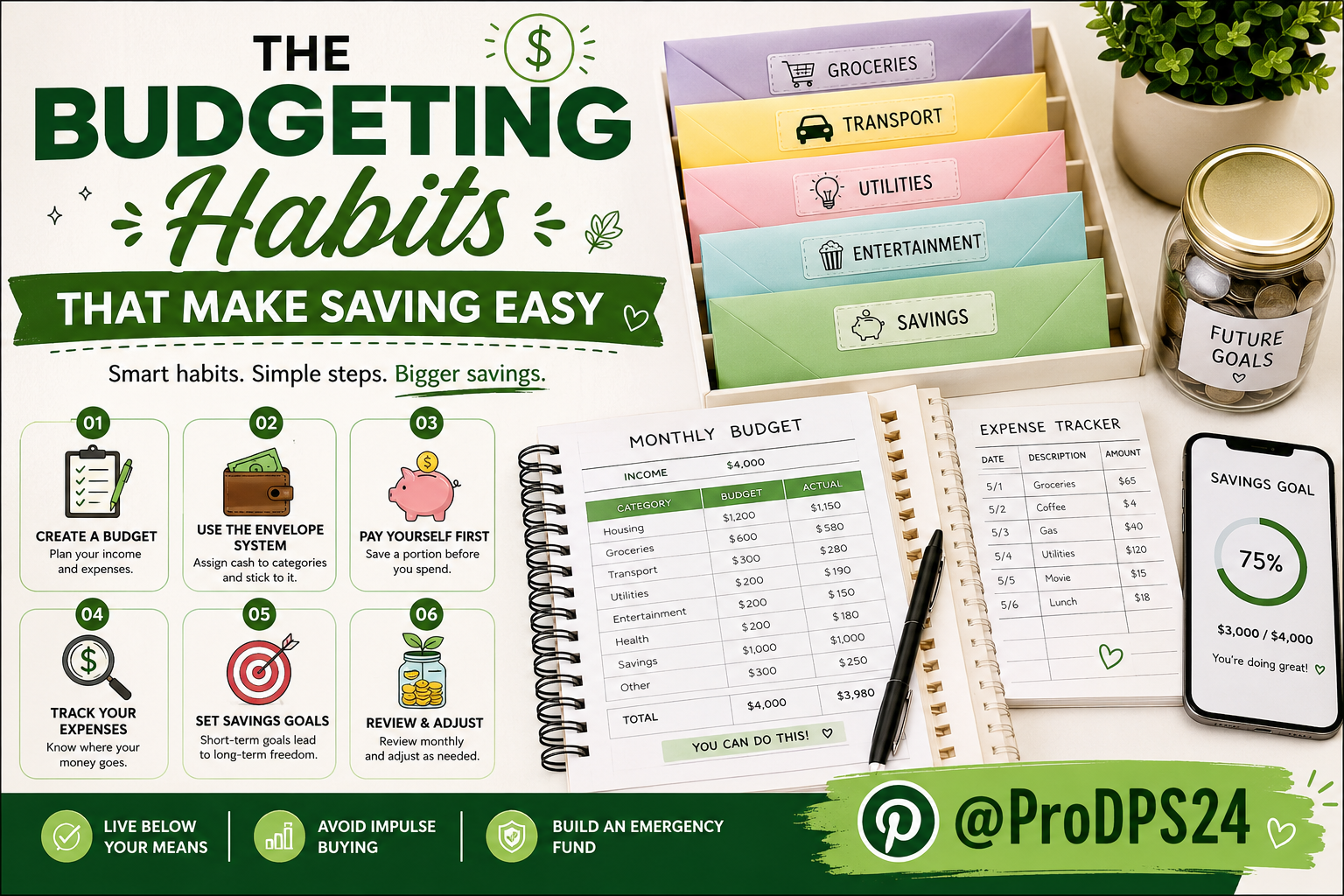


The Daily Money Habits That Quietly Build Wealth 💰
Many people believe wealth is created through huge salaries, lucky investments, or winning the lottery. In reality, lasting financial success is usually built through small, consistent actions repeated every single day.
Successful savers, investors, and financially secure families often share something in common: healthy money habits. These routines may seem ordinary, but over months and years they create remarkable financial results.
The good news is that anyone can develop these habits. You don’t need to earn six figures or become a financial expert. By making intentional decisions with your money every day, you can steadily improve your financial future.
In this comprehensive guide, you’ll discover practical daily money habits that help reduce financial stress, increase savings, improve budgeting, and create long-term wealth. These strategies are beginner-friendly, easy to implement, and designed to work regardless of your current income level.
Remember, building wealth isn’t about perfection. It’s about consistency.
Why Daily Money Habits Matter
Financial success isn’t usually determined by one major decision. Instead, it’s shaped by hundreds of small choices made over months and years.
Consider two people earning exactly the same salary. One tracks expenses, saves consistently, avoids unnecessary debt, and invests regularly. The other spends without a plan, ignores budgeting, and saves only when money is left over.
After ten years, their financial situations can look completely different—not because of income, but because of habits.
Daily habits influence:
- Spending behavior
- Saving consistency
- Investment growth
- Debt management
- Financial confidence
- Long-term wealth
Small improvements today often lead to significant financial progress in the future.
The Psychology Behind Wealth Building
Money isn’t only about numbers—it’s also about behavior.
Many financial experts agree that emotional decisions are one of the biggest obstacles to building wealth. Shopping when stressed, buying things for instant gratification, or comparing yourself to others can slowly damage your financial progress.
Developing healthy money habits shifts your mindset from reacting emotionally to making intentional decisions.
Instead of asking:
“Can I afford this?”
Ask:
“Does this purchase help me reach my financial goals?”
This simple mental shift encourages smarter spending and more thoughtful financial planning.
Habit 1: Save First, Spend Later
One of the most effective financial habits is paying yourself before paying anyone else.
Many people save whatever remains at the end of the month. Unfortunately, there often isn’t much left.
Instead, transfer a portion of your income directly into savings as soon as you’re paid.
Even saving:
- $5 per day
- $10 per day
- 10% of each paycheck
can grow into a substantial emergency fund over time.
Practical Ideas
- Automate transfers to savings.
- Create separate savings goals.
- Keep emergency savings separate from everyday spending.
- Increase savings gradually after salary increases.
Habit 2: Track Every Dollar
You can’t improve what you don’t measure.
Tracking your spending helps identify where your money actually goes.
Many people underestimate expenses like:
- Coffee
- Food delivery
- Streaming subscriptions
- Online shopping
- Small convenience purchases
While each purchase seems minor, together they can consume a surprising portion of your monthly budget.
Easy Tracking Methods
- Budget planner
- Mobile budgeting app
- Spreadsheet
- Notebook
- Weekly spending review
The goal isn’t to eliminate every expense but to become more aware of your financial habits.
Habit 3: Follow a Daily Spending Plan
A budget isn’t about restricting your life—it’s about directing your money toward what matters most.
Before making purchases, ask yourself:
- Is this necessary?
- Will I still value this next month?
- Does this fit within today’s budget?
Creating a simple daily spending limit can make budgeting easier and reduce unnecessary purchases.
For example:
Monthly discretionary budget: $300
Daily spending allowance:
Approximately $10 per day
This approach makes financial decisions simpler and more intentional.
Habit 4: Avoid Impulse Purchases
Impulse buying is one of the most common reasons people struggle to save consistently.
Retailers use limited-time offers, flash sales, and emotional marketing to encourage quick decisions.
Instead of buying immediately:
- Wait 24 hours.
- Compare prices.
- Read reviews.
- Ask whether the purchase aligns with your priorities.
Often, you’ll realize you don’t actually need the item.
This habit alone can save hundreds—or even thousands—of dollars each year.
Habit 5: Invest Consistently, Not Perfectly
Many beginners delay investing because they believe they need a large amount of money.
In reality, consistency is often more important than timing.
Even modest, regular investments can benefit from long-term growth through compounding.
Develop the habit of investing regularly rather than waiting for the “perfect” moment.
Focus on:
- Long-term goals
- Diversification
- Consistency
- Patience
Remember that investing involves risk, and it’s important to understand your options and choose investments that match your financial goals and risk tolerance.
Why Consistency Beats Perfection
The people who quietly build wealth rarely make dramatic financial moves.
Instead, they consistently:
- Save
- Budget
- Learn
- Invest
- Review their finances
- Improve little by little
Financial freedom is usually the result of disciplined habits—not lucky breaks.
Habit 6: Review Your Financial Goals Every Week
Creating financial goals is important, but reviewing them regularly is what keeps you moving forward. A weekly check-in helps you stay aware of your progress and make adjustments before small issues become bigger problems.
You don’t need hours for this habit. Spending just 10 to 15 minutes each week can make a noticeable difference.
During your review, ask yourself:
- Did I stay within my budget?
- How much did I save this week?
- Were there any unnecessary purchases?
- What financial goal should I focus on next week?
Keeping your goals visible—whether in a notebook, budgeting app, or planner—makes them easier to achieve.
Weekly Financial Review Checklist
- Review bank account balances.
- Check credit card spending.
- Update your budget.
- Record savings progress.
- Plan upcoming expenses.
- Celebrate small wins.
Habit 7: Learn Something About Money Every Day
Financial education doesn’t end after school. The more you understand money, the better decisions you can make.
Spend a few minutes each day learning about topics such as:
- Budgeting
- Saving
- Investing
- Retirement planning
- Taxes
- Credit scores
- Debt management
- Financial scams
Even reading one quality article or watching a short educational video can expand your financial knowledge over time.
Easy Ways to Keep Learning
- Read personal finance blogs.
- Listen to finance podcasts.
- Follow trusted financial educators.
- Read books about money management.
- Subscribe to newsletters from reputable financial websites.
Knowledge often leads to confidence, and confidence leads to better financial decisions.
Habit 8: Automate Good Financial Decisions
Automation removes the temptation to skip healthy financial habits.
Instead of relying on willpower, let technology help.
Consider automating:
- Savings transfers
- Investment contributions
- Bill payments
- Debt payments
- Emergency fund deposits
Automation ensures consistency, even during busy months.
Remember to review automated payments periodically to ensure they still align with your financial goals.
Habit 9: Avoid Lifestyle Inflation
One of the biggest obstacles to building wealth is increasing spending every time your income grows.
A raise or bonus is exciting, but spending all of it on a bigger house, newer car, or expensive subscriptions can slow your financial progress.
Instead, consider dividing extra income:
- Save a portion.
- Invest a portion.
- Use some for enjoyment.
- Pay down debt.
This balanced approach lets you enjoy your success while continuing to build wealth.
Habit 10: Build an Emergency Fund
Unexpected expenses happen to everyone.
Medical bills, car repairs, home maintenance, or job changes can quickly create financial stress if you aren’t prepared.
An emergency fund provides peace of mind and helps you avoid unnecessary debt.
Start small.
Your first milestone might be:
- $500
- $1,000
- One month’s expenses
Then gradually work toward saving several months of essential living costs.
Keep this money in an easily accessible savings account reserved for genuine emergencies.
Habit 11: Practice Mindful Spending
Mindful spending means making intentional purchases that reflect your priorities instead of buying out of habit or emotion.
Before purchasing something, ask yourself:
- Do I truly need this?
- Will this improve my life?
- Can I find a better value?
- Would I rather save this money for a larger goal?
Mindful spending isn’t about never treating yourself—it’s about making purchases with purpose.
Habit 12: Celebrate Financial Progress
Building wealth is a long-term journey.
Recognizing your progress helps maintain motivation.
Celebrate achievements like:
- Paying off a credit card
- Reaching a savings milestone
- Staying within your budget
- Increasing investments
- Completing a no-spend month
Small rewards can reinforce positive habits without derailing your financial goals.
Daily Wealth-Building Checklist
Use this simple checklist to strengthen your daily financial routine:
✅ Check your account balances.
✅ Record today’s expenses.
✅ Avoid unnecessary impulse purchases.
✅ Save a small amount, even if it’s only a few dollars.
✅ Review your financial goals.
✅ Learn one new money tip.
✅ Stay within your daily spending limit.
✅ Avoid unnecessary debt.
✅ Keep your emergency fund growing.
✅ End the day knowing exactly where your money went.
Consistency matters more than perfection.
Common Money Mistakes to Avoid
Even the best intentions can be undermined by common financial habits. Being aware of these pitfalls helps you stay on track.
1. Living Without a Budget
Without a spending plan, it’s easy to lose track of where your money goes.
2. Ignoring Small Expenses
Daily coffee, convenience purchases, and unused subscriptions can quietly reduce your ability to save.
3. Waiting to Save
Many people plan to save “later,” but later often never comes. Saving consistently—even small amounts—builds momentum.
4. Carrying High-Interest Debt
Paying high interest on credit cards can slow your financial progress significantly. Prioritize paying down expensive debt whenever possible.
5. Trying to Get Rich Quickly
Promises of instant wealth are often unrealistic or risky. Long-term financial success usually comes from steady, disciplined habits.
6. Not Tracking Spending
You can’t improve what you don’t measure. Tracking expenses helps you identify opportunities to save.
7. Forgetting Long-Term Goals
Daily spending decisions become easier when you remember the bigger picture.
Frequently Asked Questions
1. What are daily money habits?
Daily money habits are small financial actions—such as budgeting, saving, tracking expenses, and spending intentionally—that help improve your financial health over time.
2. Can small daily savings really make a difference?
Yes. Consistently saving even modest amounts can add up over time, especially when combined with disciplined budgeting and long-term investing.
3. How much should I save every month?
A common guideline is to save a percentage of your income, but the right amount depends on your goals, expenses, and financial situation. The most important step is saving consistently.
4. Is budgeting difficult?
Not at all. A simple budget that tracks income, expenses, savings, and goals is enough to get started.
5. Should I pay off debt before investing?
It depends on factors such as the interest rate on your debt, your emergency savings, and your long-term goals. High-interest debt is often a priority, but many people balance debt repayment with investing.
6. How long does it take to build wealth?
Building wealth is a long-term process. Consistent habits practiced over many years generally produce stronger results than short bursts of effort.
7. Do I need a high income to become financially successful?
No. While income matters, your saving, spending, and investing habits often have an even greater impact on long-term financial health.
8. What’s the best first step for beginners?
Start by tracking your expenses, creating a simple budget, building a small emergency fund, and developing a habit of saving regularly.
Expert Tips
- Automate savings to remove the temptation to spend first.
- Increase your savings rate whenever your income rises.
- Review subscriptions every few months and cancel unused ones.
- Set clear financial goals with deadlines.
- Focus on consistent progress rather than perfection.
- Avoid comparing your financial journey with others.
- Continue learning about personal finance throughout your life.
- Build habits that you can maintain for years, not just weeks.
Key Takeaways
- Wealth is built through consistent daily habits rather than one-time actions.
- Budgeting gives every dollar a purpose.
- Tracking expenses increases financial awareness.
- Saving regularly creates long-term security.
- Investing consistently supports future growth.
- Automation helps maintain good financial habits.
- Mindful spending reduces unnecessary expenses.
- Continuous learning improves financial confidence.
- Small improvements made every day can lead to significant results over time.
Final Conclusion
Building wealth doesn’t require perfect timing, a massive income, or complicated financial strategies. It begins with simple choices repeated consistently.
Saving before spending, tracking your expenses, investing regularly, avoiding unnecessary debt, and continuing to learn about personal finance are habits that quietly shape a stronger financial future.
The journey won’t always be perfect, but every positive financial decision moves you one step closer to your goals. Whether you’re saving for an emergency fund, planning for retirement, or simply looking for more financial peace of mind, today’s small actions can create tomorrow’s opportunities.
Remember: financial success is rarely about dramatic changes. It’s about making smart decisions every day and allowing time to work in your favor.
Ready to improve your financial future?
Start with just one daily money habit today. Track your spending, save a small amount, or review your budget—it all counts.
If you found this guide helpful, save it for future reference and share it with friends or family who want to build healthier financial habits. Explore more practical personal finance tips and money-saving resources on ProDPS.com to continue your journey toward long-term financial confidence.